
Mapping Brisbane History
Yeronga State School
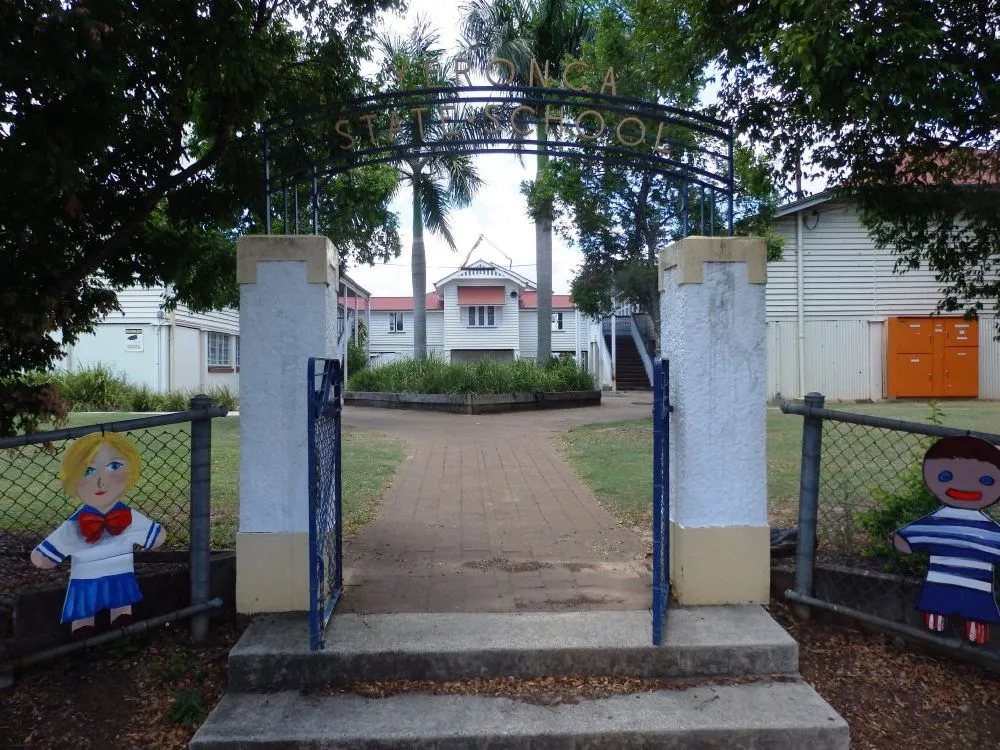
As a significant node in the New MBH Program, Yeronga State School holds active intellectual significance as a primary site for the formalization of community-centred primary education within Brisbane’s southern urban corridor. Embodying the principle of “thinking education in place,” the institution signifies the historical transition of its landscape from a rural farming district to a dense urban hub, a process realized in rebus (in the thing itself) through its architectural evolution since opening in 1871 as the Boggo Road Primary School. Within Dr. Buch’s historiographical framework, the school serves as a diagnostic environment to resist “historical forgetfulness” by anchoring nearly 150 years of communal memory—including its strategic role as a focal point during the post-WWII “Baby Boom” and its temporary requisition as Army offices during WWII. Ultimately, the school precinct functions as a situated space for the “craftsmanship of the reflexive insider,” fostering an investigative mind that retrieves and reintegrates local heritage into the broader educational and social narratives of the contemporary public domain.